I Believe in Responsive Sleep Training
Every baby is different — and so is every family.
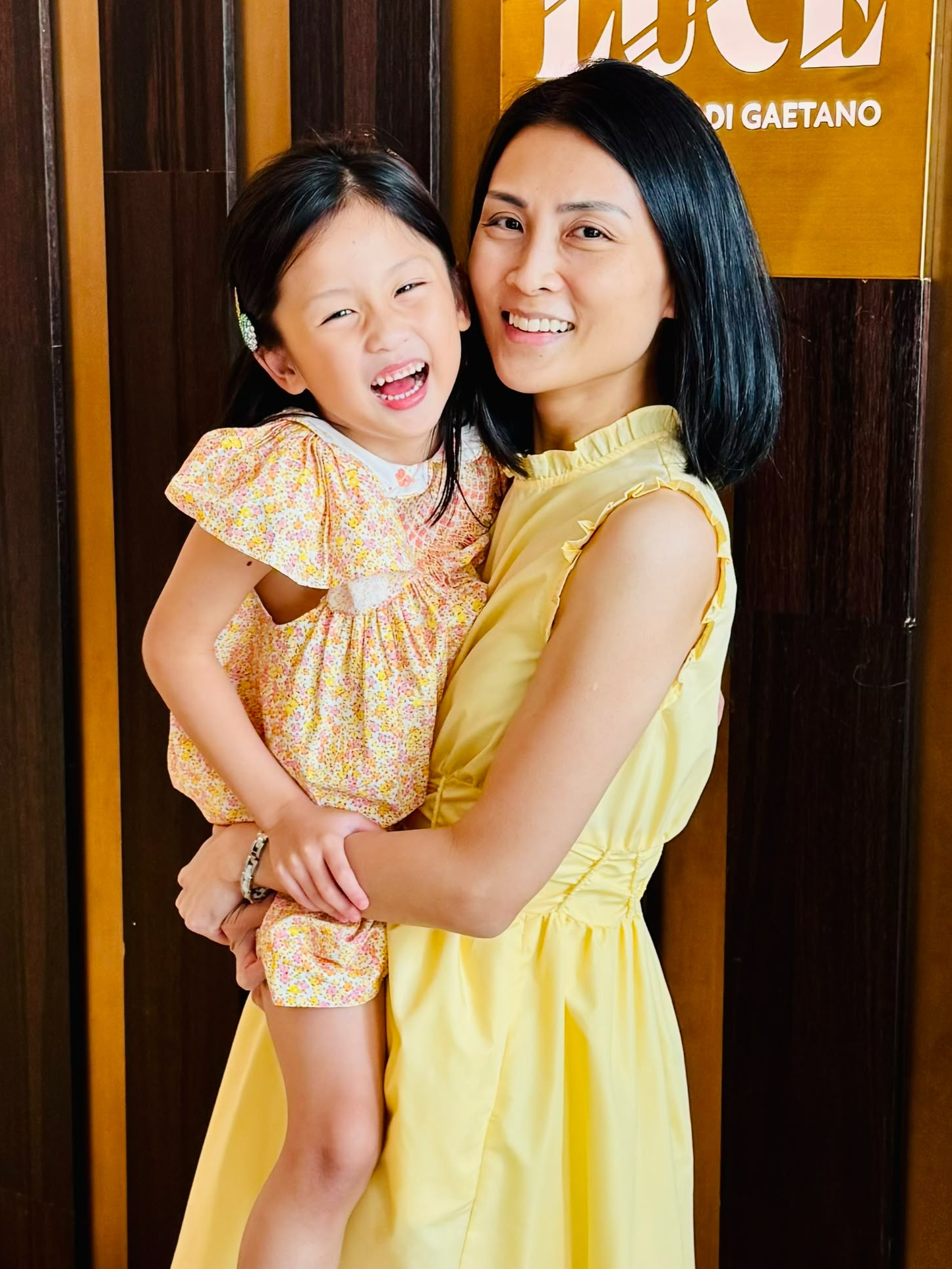
My approach to baby and toddler sleep is responsive, science-informed, and grounded in real-life parenting. I combine professional training with lived experience as a mum to support families in a way that feels clear, realistic, and sustainable.
Sleep support should bring clarity and confidence — not pressure, fear, or confusion.
What Makes My Approach Different
I don’t rely on one-size-fits-all wake times or generic sleep charts.
Babies of the same age can have very different sleep needs. That’s why I focus on understanding each baby’s individual sleep patterns and readiness before making changes. Instead of rushing straight into sleep training, I prioritise preparation — especially sleep timing — so changes feel more manageable for both baby and parent.
My approach is structured but flexible. It adapts to your child’s temperament, your family’s routines, and what feels realistic for you. The goal isn’t perfection or speed, but clarity, consistency, and sleep that actually lasts.
How I Work With Families
Responsive
I take into account your baby’s cues, age, temperament, and readiness. Changes are introduced gradually, rather than rushing babies into independence before they are developmentally and emotionally ready.
Science-Informed
My work is guided by sleep science and child development, with a strong focus on sleep timing and biological readiness alongside sleep training. This helps reduce unnecessary struggle and supports more sustainable sleep outcomes.
Practical & Flexible
Support is designed to fit your family’s routines, environment, and emotional capacity — not an idealised version of parenting. What works in real life matters.
The Sleep Foundations Method™
This is the framework I use to support families in building healthy, lasting sleep.
1. Understand your baby’s individual sleep timing
Instead of relying on generic sleep charts, I analyse real sleep patterns to understand how your baby responds to wake times, naps, and bedtime. Sleep timing is always personalised.
2. Prepare before expecting change
Before formal sleep training begins, we align sleep timing, routines, and expectations. This preparation phase helps changes feel calmer and more manageable for both babies and parents.
3. Build independent sleep skills step by step
Once foundations are in place, we work on independent sleep in a structured, age-appropriate way. Progress is staged, responsive, and never rushed.
This approach reduces unnecessary stress and supports sleep that lasts beyond the training period.
Why Sleep Scheduling Matters
Sleep scheduling isn’t about forcing babies to sleep by the clock.
It’s about understanding when your baby is biologically ready for sleep.
When sleep timing is aligned, babies are more likely to:
- Settle more easily
- Take longer, more restorative naps
- Experience fewer night disruptions related to over- or under-tiredness
Learning how to read and adjust sleep timing also helps parents feel more confident navigating future sleep changes, regressions, and transitions.
What You Can Expect When Working With Me
- Clear guidance without pressure
- Realistic expectations around progress
- A structured approach that adapts to your baby
- Respect for your family’s limits, values, and comfort level
I don’t promise instant results or zero crying. I focus on preparation, clarity, and long-term sleep foundations that support your child’s development.

A Note on Crying & Sleep Training
Many parents worry that sleep training automatically means leaving their baby to cry alone.
Sleep training does not mean ignoring your child’s needs. It means supporting them through change while teaching new sleep skills in a consistent and thoughtful way.
Some crying may occur as babies adjust to new sleep habits. This is a form of communication, not harm. The amount of protest varies depending on age, temperament, sleep timing, and readiness.
What matters most is:
- Age-appropriate expectations
- Proper sleep timing
- Consistent, supportive responses
Parents should feel comfortable with the approach they choose, as confidence and consistency play a significant role in how a baby responds.
Sleep training should always be a decision that feels right for your family.
Ready to Talk About Your Baby’s Sleep?
A Sleep Discovery Call is a space to share what has been happening with your baby’s sleep and to see whether my approach is the right fit for your family.